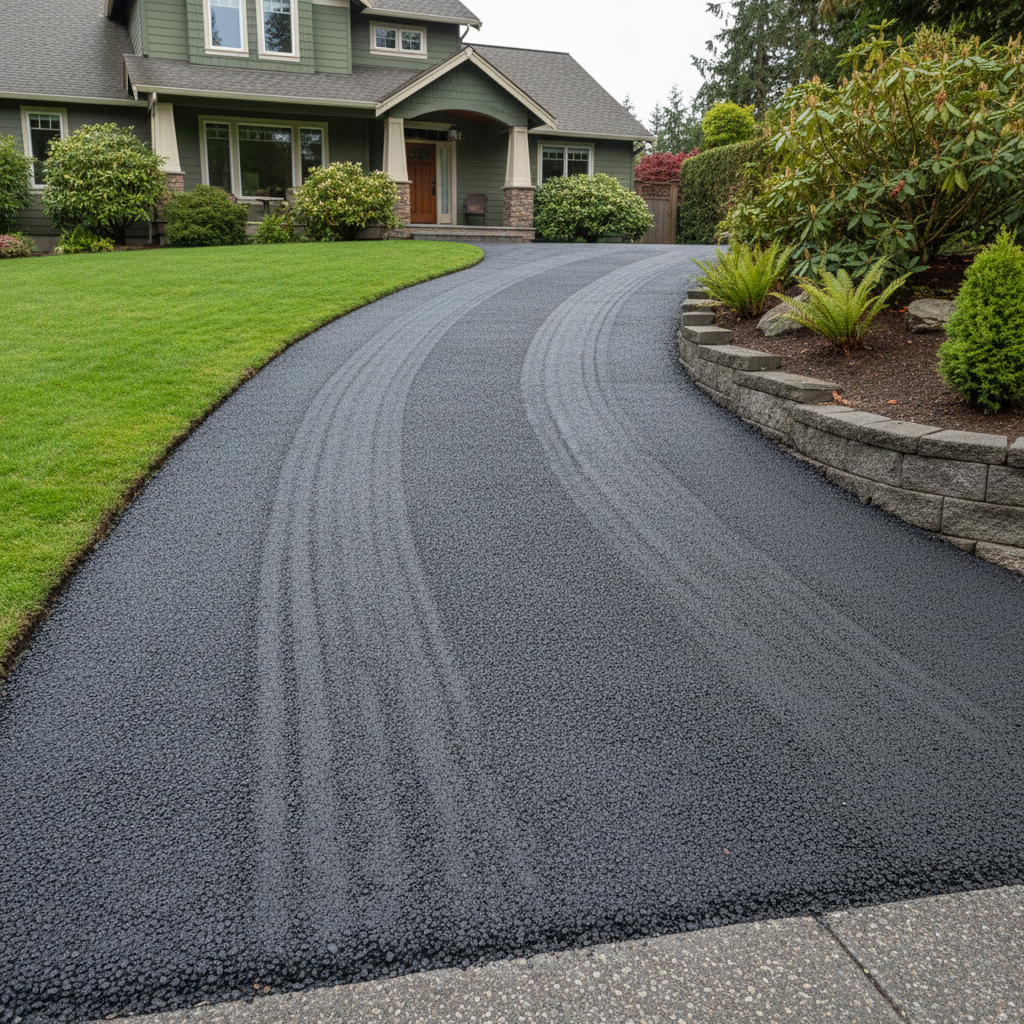
You've got an asphalt driveway that's seen better days, maybe it's got some serious ruts, drainage issues, or it's just too high compared to your garage floor. You're probably thinking about milling it down and resurfacing. That's a smart move, but in Edmonds, timing and weather play a huge role in how well that job turns out and how long it lasts. We've been doing this for years, and I've seen plenty of folks try to rush it or ignore the forecast, only to end up with problems down the road.
When to Schedule Asphalt Milling in Edmonds
Look, the Pacific Northwest isn't exactly known for its endless sunny days, especially when it comes to construction. For asphalt milling, you're really looking for a window of drier, warmer weather. That means our prime season usually kicks off in late spring – think May or June – and runs through early fall, say September or early October. Why then?
- Dry Conditions: Milling creates a lot of dust and debris. If the ground is saturated or it's actively raining, that material turns into a muddy mess. It makes it harder to get a clean, consistent cut, and it can really gum up our equipment. Plus, if you're planning to pave over it right away, you need a dry, stable base.
- Warmer Temperatures: While milling itself isn't as temperature-sensitive as laying down new hot asphalt, warmer temps generally mean better working conditions for the crew and faster drying times for any underlying layers that might get exposed. It also helps with compaction if we're doing any base work after milling.
Trying to mill in the dead of winter around here, especially with our consistent drizzle and the occasional heavy downpour, is just asking for trouble. You'll often find that contractors like us won't even schedule it then because the risks of a poor outcome are too high.
Weather Conditions That Affect the Work
Beyond just the season, specific weather conditions on the day of the job are critical. We're talking about more than just 'no rain.'
- Active Rain: This is a no-brainer. Milling in the rain is a bad idea. It compromises the base, makes cleanup difficult, and can lead to an uneven surface. We'll reschedule if there's significant rain in the forecast.
- Ground Saturation: Even if it's not raining on the day of the job, if we've had a week of heavy rain, the ground underneath your asphalt might be completely saturated. Milling into a wet, unstable sub-base can cause issues with compaction and future stability. This is especially true for properties in areas like the Highlands or those with poor drainage, where water tends to sit. We'll always check the ground conditions before we start.
- Extreme Cold: While less of an issue for milling than for paving, extremely cold temperatures can make the asphalt more brittle, potentially leading to larger, less consistent chunks during the milling process. It also makes it harder for our crew to work efficiently and safely.
We keep a close eye on the forecast and communicate with you if we need to adjust the schedule. It's always better to wait for the right conditions than to rush a job that won't last.
Protecting Your Asphalt Investment Year-Round
Once your milling and any subsequent paving are done, you want that investment to last. Here's how you protect it, no matter the season:
- Drainage is Key: This is huge, especially in Edmonds. Make sure water isn't pooling on your driveway. If your milling project included fixing drainage issues, keep those drains clear. Standing water is asphalt's worst enemy, leading to cracks and potholes over time.
- Sealcoating: After your new surface has had about 6-12 months to cure, get it sealcoated. This protects it from UV rays, water penetration, and oil spills. It's like sunscreen for your driveway. Pacific Asphalt Co. can help you figure out the best timing for this.
- Crack Sealing: As soon as you see small cracks appear, get them filled. Don't wait. Cracks are entry points for water, and once water gets under your asphalt and freezes (which it does sometimes even here!), it'll cause bigger problems.
- Keep it Clean: Sweep off leaves, dirt, and debris regularly. Organic matter can trap moisture and accelerate deterioration.
- Avoid Heavy Loads: If you can, try not to park extremely heavy vehicles (like RVs or commercial trucks) in the same spot for extended periods, especially if your driveway wasn't designed for that kind of weight.
- Watch for Oil and Gas Spills: Clean these up quickly. Petroleum products break down asphalt.
Taking a little care throughout the year will significantly extend the life of your milled and paved driveway. We're not just here to do the job; we want to make sure you're happy with it for years to come. If you have questions about your specific driveway or need advice, give us a call at Pacific Asphalt Co. We're always happy to help our neighbors here in Edmonds.