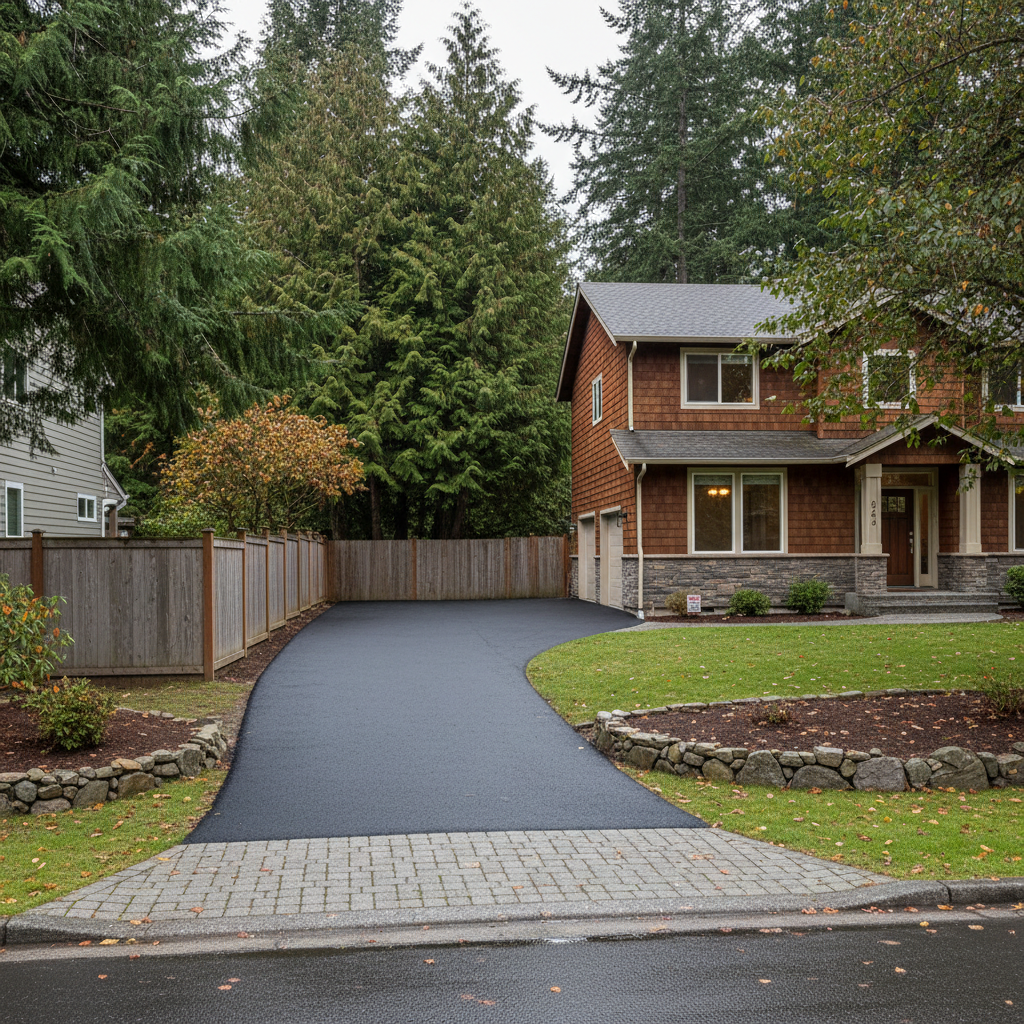
You've got an asphalt driveway, and you want it to last. That's smart, really. Here in Edmonds, our weather isn't always kind to pavement, you know? We get plenty of rain, some freezing temps, and then those surprisingly hot summer days. All of it impacts your asphalt, and knowing what to do and when to do it can save you a lot of headaches and money down the line.
What Edmonds Weather Does to Your Asphalt
Let's talk about what our local climate actually does to your driveway. Rain, especially the constant drizzle we get for months, is a big one. Water seeps into tiny cracks, and if it freezes, it expands, making those cracks bigger. That's how potholes start. Then, when the sun finally comes out strong in July and August, that heat softens the asphalt a bit, and UV rays break down the binder. This leads to fading and brittleness. It's a constant cycle of stress, frankly.
We see it all the time, especially in older neighborhoods like the Bowl or Five Corners where driveways have been around for decades. The good news? You can fight back.
When to Get Asphalt Work Done
When's the best time to get work done? It's all about temperature and moisture. For most major asphalt work — new paving, overlays, or even significant crack repair — you need dry conditions and temperatures that are consistently above 50°F. Ideally, we're looking for closer to 60-70°F. That means our sweet spot is usually late spring through early fall.
- Spring (April-June): This is prime time. The ground has dried out from winter, and temperatures are rising. Perfect for most paving and repair projects, wouldn't you say?
- Summer (July-September): Still great, especially for smaller jobs. Just be aware that really hot days (80°F+) can make fresh asphalt a bit soft for a day or two. So, you'll want to avoid heavy traffic right after.
- Fall (October-November): You can still get some work done early in fall, but you're racing against the rain and dropping temperatures. We're looking for those dry, clear stretches. Once it gets consistently wet and cold, we're usually done for the season on major projects.
Trying to pave in December? Forget about it. The asphalt won't compact right, and you'll have problems fast. You're just throwing money away.
Year-Round Protection: Your Investment Strategy
Protecting your driveway isn't just about big projects; it's about consistent, smart care. Think of it like maintaining your car, really.
Winter Prep (October-March)
Before the heavy rains and potential freezes hit, do a quick inspection. Look for any new cracks, no matter how small. Fill them with a good quality crack filler. This is your first line of defense against water infiltration. Don't let water sit on your driveway if you can help it; make sure your drainage is clear. If you're using de-icers, be mindful. Some harsh chemicals can damage asphalt over time. Sand is often a better, gentler option if you need traction.
Spring Clean-Up & Inspection (April-May)
Once the weather breaks, give your driveway a good sweep or power wash. Get rid of debris, moss, and dirt that accumulated over winter. Moss loves our damp climate and can really get a foothold if you let it. Then, do another thorough inspection. Winter will have exposed any weak spots. Now's the time to schedule any necessary repairs — crack filling, pothole patching — while the weather is cooperative. This is also when you'd think about sealcoating if it's due, usually every 2-3 years.
Summer Care (June-September)
Keep it clean. Dirt, oil, and gas spills can degrade your asphalt. Clean them up quickly. If you have any heavy vehicles or RVs parked for extended periods, consider putting down some plywood to distribute the weight and prevent depressions, especially on hot days. It's also a good time to trim back any encroaching tree roots that could eventually buckle your pavement.
It's all about being proactive. A little bit of attention throughout the year goes a long way in extending the life of your asphalt. We've seen driveways last decades when homeowners are on top of their maintenance. If you've got questions or need a hand with repairs, give us a call at Pacific Asphalt Co. We're always happy to share what we know.