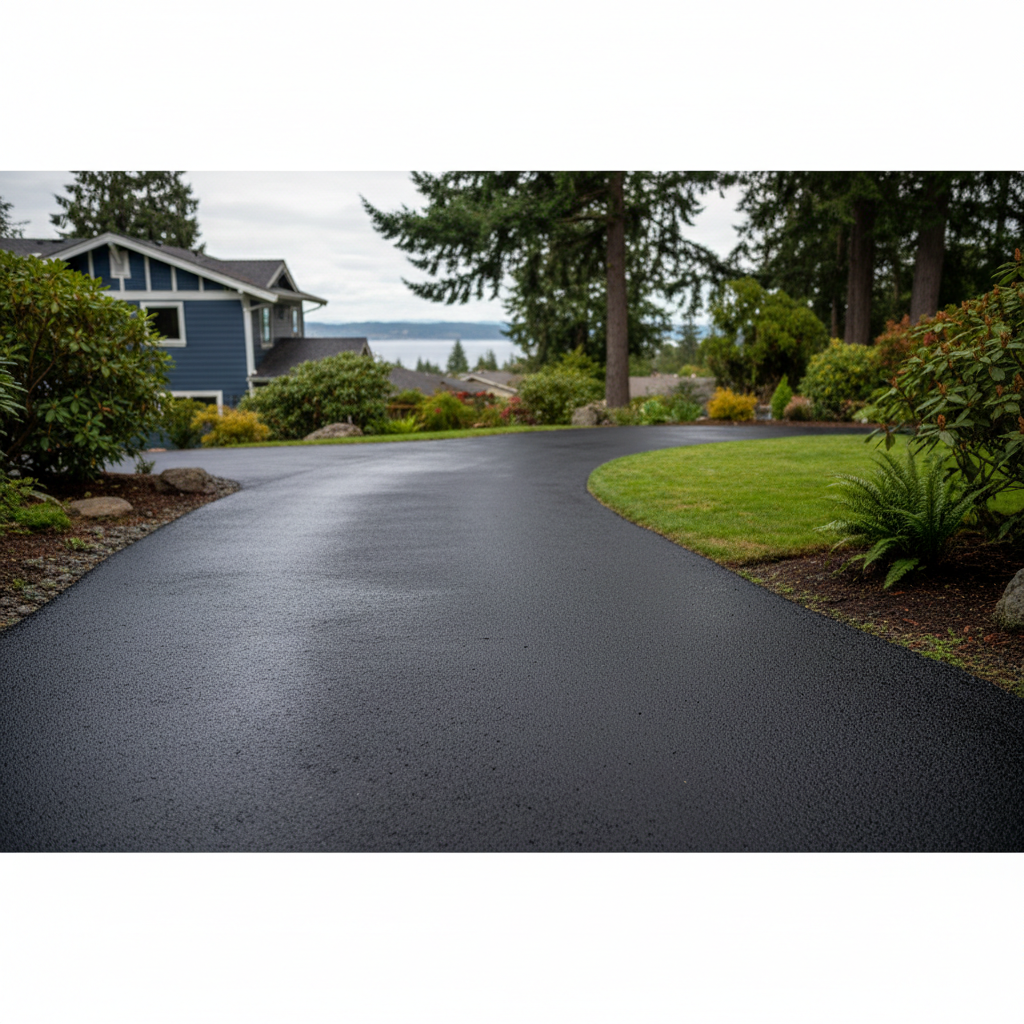
So, you just got your driveway sealcoated. Maybe we at Pacific Asphalt Co did it for you, or maybe another local outfit did. Either way, good move. That sealcoat isn't just for looks, you know; it's a protective layer, really your driveway's first line of defense against our Pacific Northwest weather. But getting it done is only half the battle. If you want that investment to truly pay off and last as long as it should, you've got to take care of it. Think of it like washing your car or changing its oil – regular upkeep makes a huge difference.
Making That Fresh Sealcoat Last
The first few days after sealcoating are super important. We've said it before: stay off it! Usually, folks can walk on it after 24-48 hours, and drive on it after 48-72 hours. It really depends on the weather, though. If it's a cool, damp spring day, give it extra time. If it's sunny and warm, it might cure faster, but don't push it. Driving on it too soon can leave tire marks, scuff the new surface, and mess up the seal's integrity.
Once it's fully cured, the main thing is to avoid harsh chemicals. Seriously, don't go spilling gasoline, oil, or antifreeze on it and just leave it there. Those chemicals can break down the sealcoat, creating soft spots or stains. Clean spills up quickly with a mild detergent and water. Also, be mindful of sharp objects or heavy equipment. Dragging heavy trash cans or turning your steering wheel hard while you're stopped (those power steering scuffs, you know?) can damage the surface.
What Does Regular Maintenance Look Like?
Keeping a sealcoated driveway in good shape isn't rocket science, but it is important. Here's what I tell folks:
- Keep it Clean: Sweep off dirt, leaves, and other debris regularly. Especially in the fall, those decaying leaves can hold moisture against the surface and break down the sealcoat over time. A leaf blower works wonders for this.
- Watch for Weeds: Weeds and grass just love to find tiny cracks and expand them. Pull them out as soon as you see them, or use a weed killer that won't harm asphalt.
- Address Spills Promptly: Like I said, oil, gas, and other automotive fluids are sealcoat killers. Blot them up immediately. A little dish soap and water can help clean the residue.
- Edge Control: Keep your lawn and garden beds edged away from the driveway. Overhanging soil can trap moisture and encourage weed growth right at the edge, which is often where cracks start.
Our Edmonds climate, with its long, wet winters and occasional hot summers, really puts driveways to the test. That constant freeze-thaw cycle, even if it's just a light frost, can expand tiny cracks. The sealcoat helps prevent water from getting into those cracks in the first place, but if it's compromised, water will find a way.
Warning Signs You Shouldn't Ignore
Your driveway will tell you when it needs attention. You just have to know what to look for. Don't wait until it's a major problem, okay?
- Fading Color: The rich black color starts to look gray and dull. That means the sealcoat is wearing thin and losing its UV protection.
- Small Cracks Reappearing: If you see hairline cracks (sometimes called alligator cracking) starting to show up again, especially in areas that were previously sealed, it's a sign the surface is losing its flexibility and protection.
- Potholes or Depressions: These are bigger issues. A sealcoat won't fix structural problems, but if you see new ones forming, it means water is getting underneath and eroding the base.
- Loose Aggregate: If you're seeing small stones or gravel coming loose from the surface, the binder in the asphalt or the sealcoat itself is failing.
Catching these early can save you a lot of money and hassle down the road. A small crack fill now is way cheaper than a full resurface later, believe me.
When to Call a Professional
Look, I'm all for homeowners doing what they can, but some jobs are definitely best left to the pros. You should call us, or another reputable asphalt contractor, if you see:
- Widespread Cracking: If your entire driveway is starting to look like a spiderweb, it's beyond a simple patch job. You might need extensive crack filling, or even a new layer of asphalt.
- Significant Potholes: These need proper repair, not just a quick pour-in filler. We'll cut out the damaged section, prepare the base, and lay new asphalt.
- Drainage Issues: If water is pooling on your driveway after a rain, that's a problem. It can lead to accelerated deterioration. We can assess the grade and suggest solutions.
- You're Unsure: If you're not sure what you're looking at, or if a problem seems too big for you to tackle, just give us a call. We're happy to come out, take a look, and give you an honest assessment. We've seen it all, from the old shingle-style homes near Five Corners to the newer builds up by Lake Ballinger. We know what works here in Edmonds.
A well-maintained sealcoated driveway isn't just about curb appeal; it's about protecting your investment and ensuring safety. A little proactive care goes a long way. Don't let those small issues become big headaches.