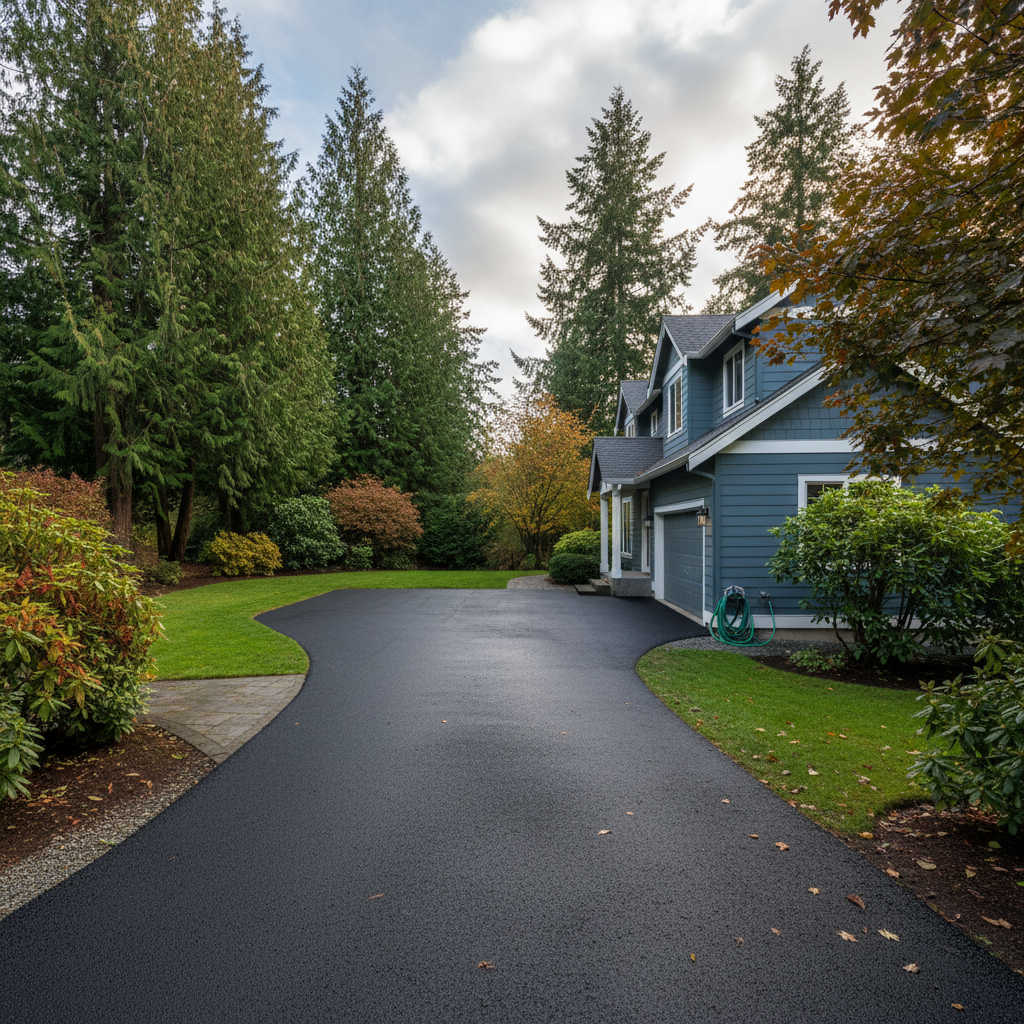
You've got an asphalt driveway, and you know sealcoating is a big part of keeping it looking good and lasting long. But here in Edmonds, it's not as simple as picking a random Saturday. Our weather, with its long, wet winters and often-unpredictable springs, means you've got to be smart about when you schedule that work.
When's the Best Time for Sealcoating in Edmonds?
Forget what you might hear about sealcoating being a year-round thing. For us, the sweet spot is pretty clear: late spring through early fall. Think May, June, July, August, and maybe early September. Why then? Because sealcoat needs consistent warmth and dryness to cure properly. It's not just about applying it; it's about letting it set up right.
If you put sealcoat down when it's too cold, it won't bond to the asphalt like it should. It'll be brittle, it'll chip, and it won't offer the protection you paid for. If it rains too soon after application, it can wash away, leaving streaks or an uneven finish. We're talking wasted money and a driveway that looks worse, not better.
I've seen folks try to push it in October or even late April, thinking they'll beat the rush or get a deal. More often than not, they end up with a job that doesn't last. You want daytime temperatures consistently above 50°F, and ideally, overnight lows not dipping much below that either. And you need at least 24-48 hours of dry weather after the application, sometimes more depending on the product used.
Understanding Edmonds Weather and Your Driveway
Our Puget Sound climate is beautiful, but it's tough on asphalt. The constant freeze-thaw cycles we get in winter, even if it's just a light frost, can expand tiny cracks in your pavement. Then the rain gets in, and those cracks get bigger. Sealcoating is your first line of defense against that water intrusion.
Think about those homes up in the Highlands or Five Corners – they often have driveways with a bit more slope, which means water runoff is a factor. A properly sealed driveway helps shed that water instead of letting it soak in. But if the sealcoat isn't cured, it's not doing its job.
Humidity is another thing. While sealcoat needs to dry, extremely high humidity can slow down the curing process. We're usually okay here in the summer, but it's something we always keep an eye on. A good contractor, like us at Pacific Asphalt Co, will always check the forecast and conditions before we even think about scheduling your job. We're not going to risk doing a poor job just to get it done.
Protecting Your Investment Year-Round
Sealcoating isn't a magic bullet, but it's a critical part of your asphalt's health. Here's how you can help it do its job:
- Keep it Clean: Sweep off leaves, dirt, and debris regularly. Organic matter can hold moisture against the surface, and dirt can be abrasive.
- Address Spills Immediately: Oil, gas, and other automotive fluids are asphalt's worst enemies. They break down the binder in the asphalt. Blot them up as soon as they happen.
- Watch for Weeds: Weeds pushing through cracks are a sign that water is getting underneath. Pull them out and consider a crack filler if you see new ones popping up.
- Avoid Heavy Loads: Try not to park heavy RVs or commercial vehicles on your driveway for extended periods, especially if it's a newer asphalt surface or recently sealed.
- Don't Rush Back On: After sealcoating, respect the cure time your contractor gives you. Typically, it's 24-48 hours before you can drive on it, and longer for heavy vehicles or sharp turns. It might look dry, but it needs time to harden completely.
By understanding our local climate and taking these steps, you'll get the most out of your sealcoating and keep your Edmonds driveway looking sharp for years to come. It's all about smart maintenance and knowing when to act.