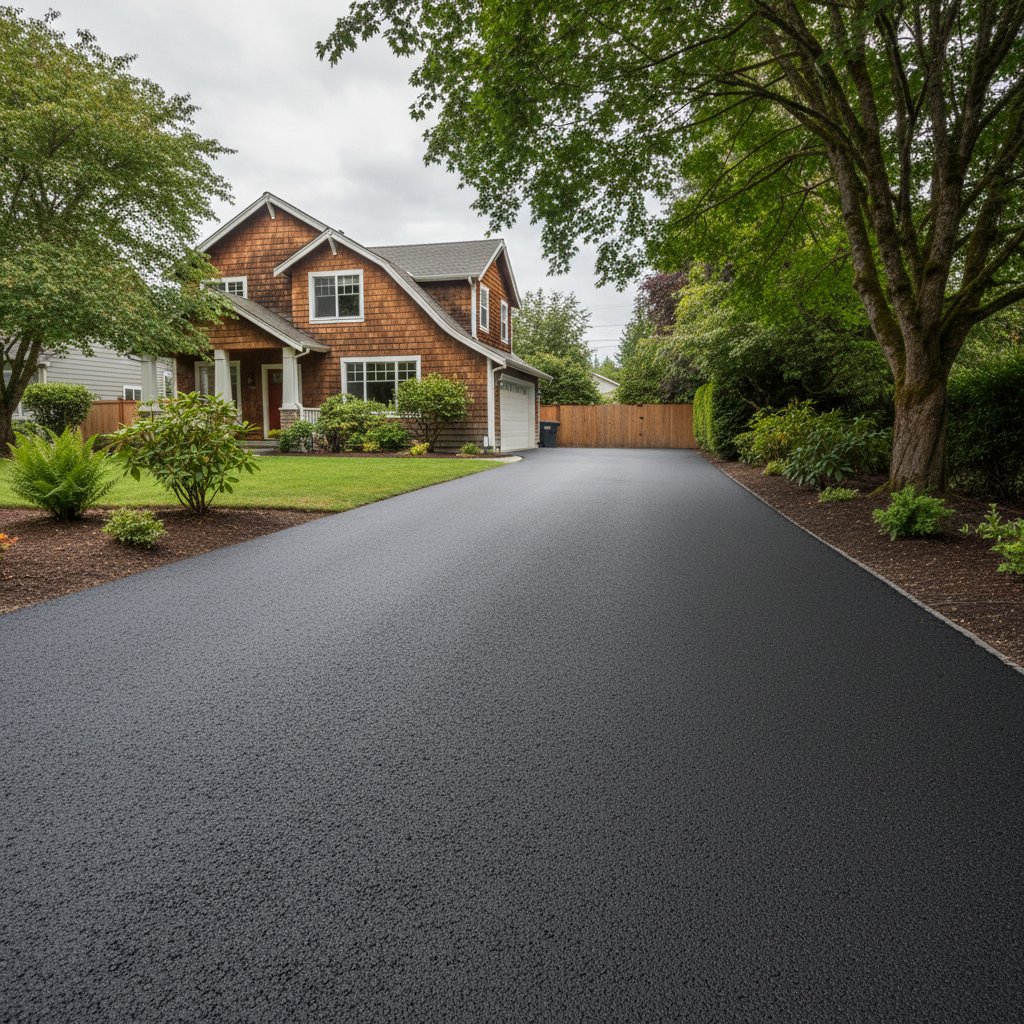
Alright, let's talk driveways for a minute. You've put good money into that asphalt, whether it's brand new or you just had some repairs done. So, how do you actually make sure it lasts? It's not rocket science, honest, but it does need a little bit of care, especially with the kind of weather we get here in Edmonds.
Extending Your Driveway's Life: The Long Game
The biggest thing you can do to make your driveway last longer is to stop damage before it even starts. Think of it like taking care of your car – regular oil changes keep the engine humming, right? For your driveway, it's all about reducing stress and protecting that surface.
- Watch the Weight: Heavy vehicles are not your asphalt's friend. If you own an RV, a commercial truck, or even just have a really heavy moving truck visiting, try to keep it off the asphalt as much as you can. If it absolutely has to be on the driveway, spread the load out. Don't park it in the exact same spot for weeks on end; move it around a bit. Those heavy, concentrated loads cause rutting and cracking, especially when the asphalt gets warm from the summer sun.
- Chemical Spills: Oil, gas, antifreeze – these liquids literally eat away at asphalt. They soften the binder, which is what holds everything together. Clean up any spills immediately, no waiting. A little kitty litter or oil absorbent, followed by a good scrub with a stiff brush and some dish soap, can really help. Just don't let that stuff sit there.
- Proper Drainage: Water is the ultimate destroyer, hands down. If water is pooling on your driveway, or worse, running underneath it, you've got a problem brewing. Make sure your gutters are clear and your downspouts are pointing away from the driveway. Seeing standing water, especially near the edges, is a big red flag. Bad drainage leads to sub-base erosion, and once that happens, your asphalt is going to crack and sink.
- Sealcoating: I've talked about sealcoating before, but it's worth repeating. It's like sunscreen for your driveway, protecting it from UV rays, water getting in, and those minor chemical spills. It's not a one-and-done kind of thing, though; you'll need to reapply it every few years, depending on how much traffic it gets and the product you use. It's a key part of preventative maintenance.
Regular Maintenance: What You Should Be Doing
This isn't about calling in the pros every single month. This is about being observant and taking care of the little things before they turn into big, expensive things.
- Keep it Clean: Sweep off dirt, leaves, and other debris regularly. Organic matter can hold moisture against the asphalt, and dirt can get ground into the surface, causing abrasion. A leaf blower works wonders for this.
- Weed Control: Weeds just love to sprout up through cracks. They might seem harmless, but their roots can widen those cracks, letting in even more water. Pull them by hand or use a weed killer. Just be careful not to get herbicides all over your lawn or garden, obviously.
- Crack Filling: This is probably the most important DIY maintenance task you can do. As soon as you spot a crack, fill it. Small cracks are easy to manage; you can buy crack filler at any hardware store. Make sure to clean out the crack thoroughly first – no dirt or debris allowed. Filling cracks stops water from getting down into your sub-base, which is where the real damage starts, especially with our freeze-thaw cycles in the winter. Even if it doesn't freeze solid here in Edmonds very often, that constant saturation and drying really weakens the base.
- Edge Protection: The edges of your driveway are often the weakest spots, more prone to crumbling. If you've got a gravel shoulder, keep it topped up to support the asphalt edge. If it's lawn, keep the grass trimmed back so it's not holding moisture right against the asphalt.
Warning Signs: Don't Ignore These
Your driveway will actually talk to you if you know how to listen. These are the signs that something's not quite right and needs your attention.
- Cracks: We just talked about filling them, but the *type* of crack matters. Alligator cracking (lots of interconnected cracks that look like alligator skin) usually points to a sub-base issue or fatigue from heavy loads. Longitudinal cracks (running parallel to the driveway's length) can come from poor construction joints or settlement. Transverse cracks (running across the driveway) are often due to thermal stress or reflective cracking from an underlying layer.
- Potholes: These are way beyond cracks. They're actual holes where the asphalt has completely failed. They start small and get bigger fast, especially with traffic and water.
- Raveling: This happens when the aggregate (the small stones) starts to come loose from the surface, leaving a rough, pitted texture. It means the binder is wearing away, often because of age, UV damage, or poor sealcoating.
- Fading and Discoloration: If your asphalt looks gray instead of black, that's a sign of oxidation. This means the surface is drying out and becoming brittle. Sealcoating can definitely help here.
- Pooling Water: As I mentioned, if water isn't draining off your driveway, you've got a problem. It could be settlement, bad grading, or a clogged drain.
- Soft Spots: If you walk across your driveway and feel a soft, spongy area, or if you see tire indentations that don't go away, it means the asphalt or the sub-base underneath it is failing.
When to Call a Professional
Look, I'm all for doing things yourself, but there are times when you just need to bring in the pros. Trying to fix something that's beyond your skill level can easily end up costing you more in the long run.
- Extensive Cracking or Alligator Cracking: If you've got a large area of alligator cracking, or cracks wider than about a half-inch, you're probably looking at a sub-base issue. That's not a DIY fix, period.
- Potholes You Can't Keep Up With: If potholes are popping up faster than you can fill them, or if they're very deep, it's time for a professional repair.
- Significant Rutting or Depressions: If your driveway has noticeable ruts where tires track, or large areas that have sunk, that's a structural problem that needs a professional assessment and repair.
- Drainage Issues: If you've got standing water that won't go away, or if you suspect water is undermining your driveway, a professional can assess the grading and recommend solutions, whether it's a French drain or regrading.
- Large-Scale Raveling: If a significant portion of your driveway is raveling, a simple sealcoat might not be enough. You might need a more substantial repair or even an overlay.
- When You're Unsure: Honestly, if you're looking at your driveway and you just don't know what's going on, or you're feeling overwhelmed by the damage, give us a call. Here at Pacific Asphalt Co, we're always happy to come out, take a look, and give you an honest assessment. Sometimes it's a simple fix, sometimes it's more involved, but at least you'll know where you stand. Don't let a small problem turn into a complete driveway replacement just because you waited too long.