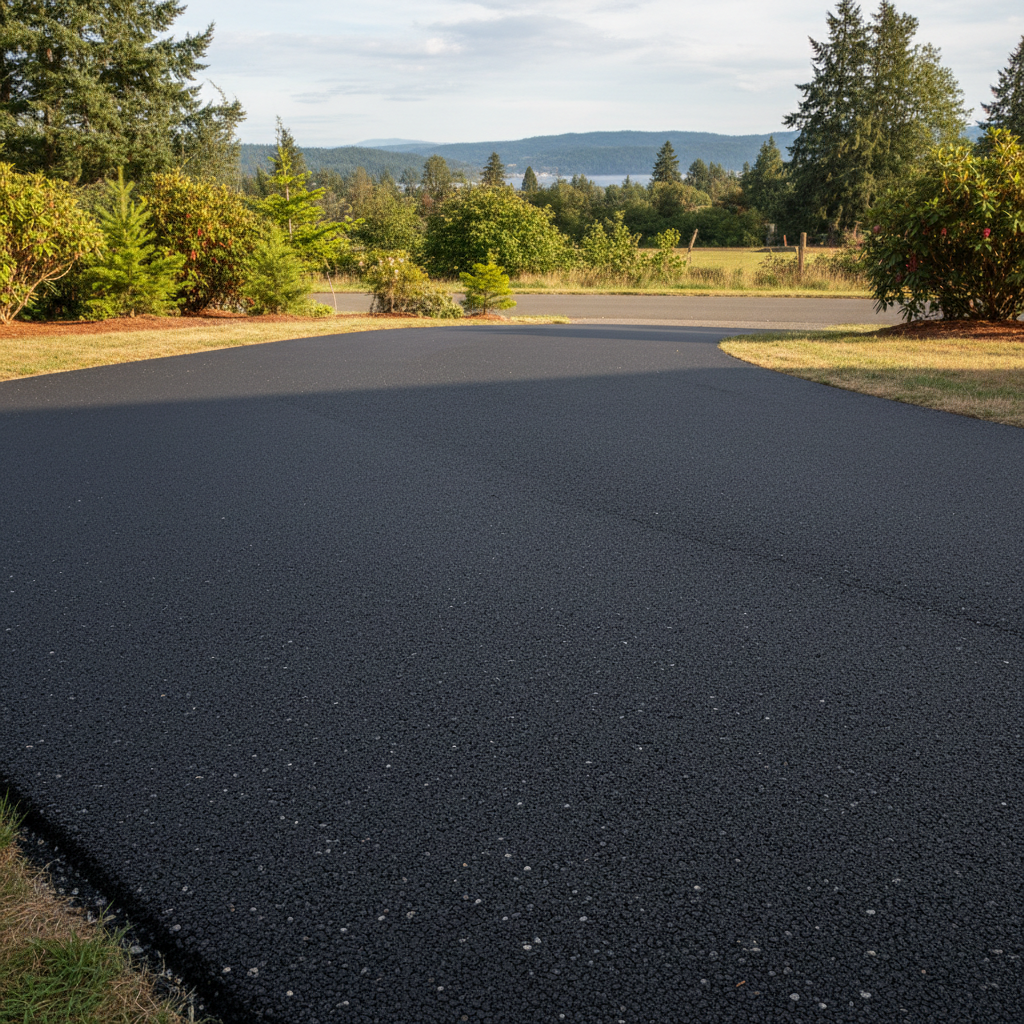
You've got questions about your asphalt driveway, and I've heard 'em all. As a contractor working all over Edmonds, from the Bowl to Five Corners, I get asked a lot of the same things. Homeowners want to know what's up with their pavement, and they deserve straight answers, not some sales pitch. So, let's dive into some of the most common questions I get about residential asphalt.
What's the best way to fix a pothole or crack in my driveway?
Alright, so you've got a pothole or a crack that's getting bigger. First off, don't ignore it. That's how small problems turn into big, expensive ones. For cracks, if they're hairline, you can often use a pourable crack filler. Make sure the crack is clean and dry. For wider cracks or potholes, it gets a bit more involved. You'll need to clean out all the loose debris – I mean really clean it out. Then, you can use a cold patch material. You shovel it in, tamp it down hard, and sometimes even drive over it a few times to compact it. It's not a permanent fix like a hot asphalt patch from a professional, but it'll stop water from getting in and making things worse. For anything larger than a dinner plate, or if you've got multiple potholes, you're probably better off calling someone like us at Pacific Asphalt Co. We've got the right equipment to cut out the bad section, prep the base, and lay down hot asphalt that'll last.
How long should a new asphalt driveway last in the Puget Sound area?
This is a big one. A well-installed asphalt driveway around here, with proper maintenance, should give you 15 to 25 years, easy. But there are a lot of variables. The quality of the base material underneath the asphalt is huge. If that wasn't prepped right, or if you've got soft, clay-heavy soil like we sometimes see up by Stevens Place, you're going to have issues sooner. Drainage is another massive factor. If water sits on your driveway, it's going to degrade faster, no matter how good the asphalt is. And then there's the maintenance – sealcoating every few years, addressing cracks quickly. Skip that stuff, and you'll be lucky to get 10 years. Do it right, and your driveway will outlast your car.
Can I put asphalt over my old concrete driveway?
You can, but it's not always the best idea, and it's definitely not a simple overlay. If your concrete driveway is in decent shape – meaning no major cracking, heaving, or settling – then sometimes you can mill it down a bit and put a layer of asphalt over it. You've got to make sure there's good drainage and that the concrete base is stable. If the concrete is already failing, putting asphalt on top is just going to transfer those problems to the new surface. The cracks will mirror through the asphalt eventually. My honest advice? If your concrete is shot, rip it out and start fresh with a proper gravel base for your asphalt. It'll cost more upfront, but you'll save a ton of headaches and money in the long run.
What causes those puddles and standing water on my driveway?
Puddles are a red flag, plain and simple. They're usually caused by poor grading or settling. When your driveway was installed, it should have been sloped correctly to shed water away from your house and off the surface. If it wasn't, or if the ground underneath has settled unevenly over time, you get low spots where water collects. This is a big problem, especially with our Edmonds rain. Water sitting on asphalt softens it, seeps into cracks, and then freezes and expands in winter, causing more damage. Sometimes, a simple patch can fix a small low spot. Other times, it might mean more extensive re-grading or even a partial rebuild of that section of the driveway. Don't let puddles hang around; they're slowly destroying your investment.
How often should I clean my asphalt driveway, and what should I use?
You don't need to go crazy, but a little regular cleaning goes a long way. I recommend sweeping or blowing off leaves and debris regularly, especially in the fall. Leaves hold moisture, and that's bad for asphalt. For general cleaning, a good rinse with a garden hose and a stiff broom usually does the trick. If you've got oil spots, don't let them sit. Oil and gas break down asphalt. Use an absorbent material like cat litter or sand to soak up fresh spills, then scrub with a stiff brush and a mild detergent or a specialized asphalt cleaner. Rinse thoroughly. Avoid harsh chemicals or pressure washers on high settings, as they can damage the surface or strip away the sealcoat.
My asphalt driveway is fading and looks gray. What's going on?
That gray look means your asphalt is oxidizing. The sun's UV rays and exposure to the elements break down the binders in the asphalt, causing it to lose its rich black color and become brittle. This is a normal part of aging, but it's also a sign that it's losing its protective qualities. When it gets gray, it's more susceptible to cracking, water penetration, and general wear and tear. This is exactly why sealcoating is so important. A good sealcoat brings back that deep black color, but more importantly, it puts a fresh protective layer over the asphalt, shielding it from the sun and water. It's like sunscreen for your driveway, and it's key to extending its life here in the Pacific Northwest.